New, smart building materials can change some of their properties in response to external stimuli, such as temperature. And they are being incorporated into materials such as bricks and roof cladding to make homes more resistant to heat fluctuations. Find out how they work here.
Read More »Stories From: Global
From frog saunas to butterfly puddles: 8 ways to turn your homes into a wildlife refuge
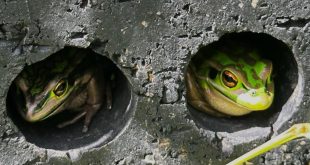
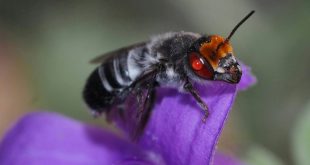
Native animals can make excellent neighbours. Blue banded bees pollinate our vegetable gardens. Microbats eat up to 1,200 mosquitoes a night and powerful owls keep rodents at bay. But could we go one step further, and change our homes to invite native animals in as housemates?
Read More »Another World is Possible
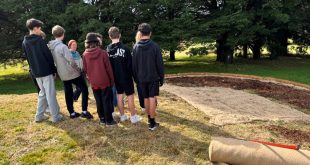
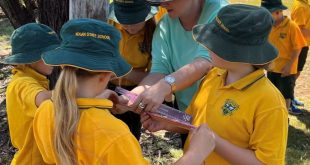
There is a little bit of magic happening on Wednesdays at the Planetary Health Centre as young volunteers from Kindlehill School, and Council staff, work together to create a demonstration site for the wider community. This hands-on program is inspiring all involved, including teacher Sarah Daniel.
Read More »Taking Action to Prevent Nuclear War
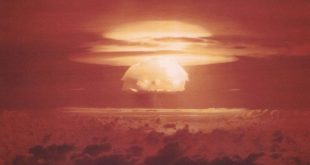
On the 80th anniversary of the bombing of Nagasaki and Hiroshima the Planetary Health Initiative and the Blue Mountains Peace Collective hosted a Peace Symposium and Community Picnic to provide pathways for everyone to take steps for a more peaceful future.
Read More »The world’s second largest freshwater crayfish was once plentiful in Australia’s longest river – we’re bringing it back
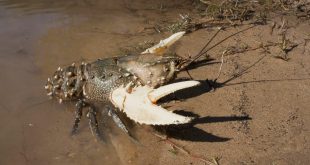
The Murray crayfish disappeared from large parts of its range over the past 40 years. Now a community-driven reintroduction program is bringing the iconic species back.
Read More »Australia’s native bees struggled after the Black Summer fires – but a world-first solution brought them buzzing back
Native bee researcher Kit Prendergast installed a thousand bee hotels in the Jarrah forests of Western Australia following the Black Summer bushfires. Did this intervention work? Read her article here.
Read More »We found a new wasp! Students discovering new insect species through citizen science
Playgrounds can host a variety of natural wonders – and, of course, kids! Now some students are not just learning about insects and spiders at school — they are putting them on the map and even discovering and naming new species.
Read More »Scientists say protected areas need ‘climate-smart’ planning to survive climate change
Protected areas such as national parks, nature reserves and Indigenous lands are the foundation of biodiversity conservation. However, climate change is threatening their effectiveness in safeguarding wildlife, ecosystem services and livelihoods.
Read More »Habitat restoration is a long-haul job. Here are three groups that have endured
Like ferns and the tides, community conservation groups come and go. Many achieve their goal. Some groups peter out while others endure, tackling the ecological problems facing today’s Australia. Explore what works, and why, here.
Read More »Yurok Nation victory reclaims vital creek and watershed, restoring major salmon run
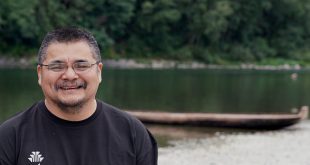
The Yurok, California’s largest Indigenous tribe, are restoring health to what was once the third-largest salmon run on the US West Coast. But to do so, they first had to buy back the watershed from a timber company for US$60 million. It took them two decades to raise the funds.
Read More »