Australia is getting hotter. Climate change is driving more frequent and prolonged extreme heatwaves and our homes are struggling to keep up. Alarmingly, many Australian houses – especially older ones – weren’t designed for these harsh conditions.
During a heatwave, large parts of the country’s interior can soar above 40°C. That’s not only uncomfortable but also dangerous, as extreme heat puts residents at serious health risk.
Heatwaves have caused more deaths in Australia than any natural disaster combined.
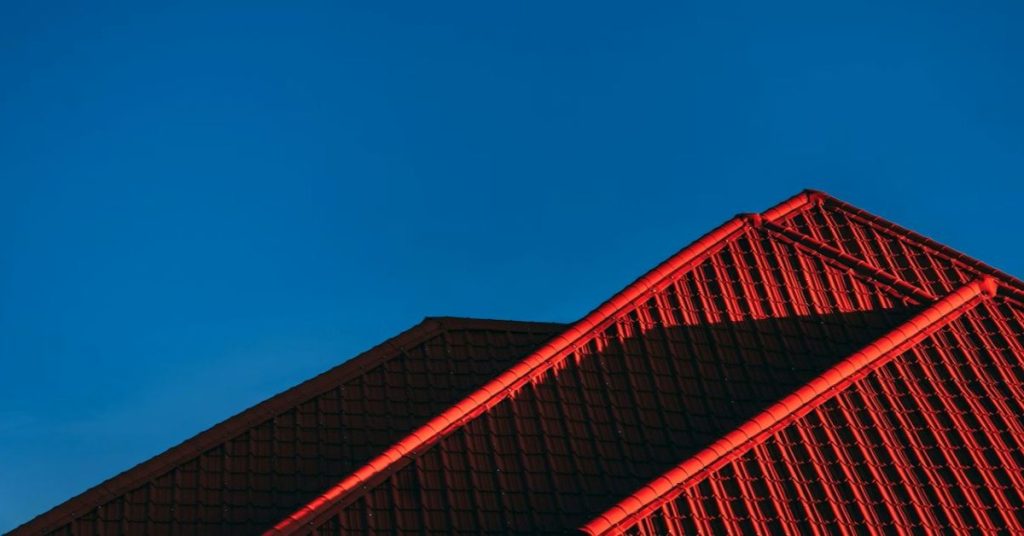
That’s where smart materials come in. They can significantly change some of their properties in a controlled manner in response to external stimuli, such as temperature. And they are being incorporated into materials such as bricks and roof cladding to make homes more resistant to heat fluctuations.
Air-conditioning can’t save us
The default fix? Turn on the air conditioner. But cooling our homes with machines comes at a cost. Our growing reliance on air conditioning creates a dangerous feedback loop: more heat leads to more energy use, which ultimately drives up carbon dioxide emissions if no solar power is available.
You might be surprised to learn that buildings are responsible for around 40% of global energy use and nearly one-third of carbon dioxide emissions. In Australia, up to 50% of household energy is consumed for heating and cooling depending on the climate zone – and demand peaks during heatwaves.
To reach net-zero emissions by 2050, we need more than just efficient appliances and rooftop solar. We need to rethink how homes interact with heat – and that’s where smart materials can make a real difference. Instead of simply blasting air-conditioning, we can build homes that actively respond to their environment.
An office building covered in air conditioners in Brazil. Image: Bran Sodre/Pexels
Homes that regulate themselves?
Imagine a material that passively absorbs excess heat during the day and releases it back into the home when temperatures drop at night, with no switches, no electricity and no noise. That’s the magic of phase change materials, a type of smart material. They are made from materials such as waxes, salts, fatty acids and plant-based oils, and come in the form of thin panels, microcapsules, and liquid-filled pouches.
These materials absorb heat as they melt and release it again when they solidify, acting like a thermal battery embedded in your roof tiles or walls. A thermal battery stores energy in the form of heat instead of electricity. This means your home can “charge” with heat when it’s warm and “discharge” that heat when it’s cool.
In summer, phase change materials absorb indoor heat during the day, which keeps living spaces cooler. At night, as outdoor temperatures drop, they release that stored heat. In winter, it’s the opposite.
Phase change materials can offer even greater thermal mass than traditional materials like brick, stone or concrete. And studies show they can reduce average building energy use by around 37% across various Australian cities.
But they do have a limitation under extreme or prolonged heat. If overnight temperatures remain high – as often happens during multi-day heatwaves – the material may not cool down enough to solidify. Once fully melted, it can no longer absorb heat, making it temporarily ineffective.
Reflective coatings
Like slipping on sunglasses on a sunny day, reflective coatings shield homes from the sun’s harsh rays. When applied to rooftops, they can lower indoor temperatures by up to 4°C. This means less reliance on air conditioning and lower energy bills – a simple, cost-effective way to beat the heat.
But there’s a catch: what works brilliantly in summer can backfire in winter. These reflective surfaces also bounce away the warmth you want during colder months. And instead of absorbing heat, your home gets chillier.
To build homes for a warming world, we need solutions for all seasons – smart materials that respond to their environment by blocking heat when it’s hot, and absorbing it when it’s cold.
The future is adaptive
Our homes need layered strategies. Imagine a roof that not only reflects intense summer heat but also works with phase change materials to absorb and regulate indoor temperatures year round.
In a recent study, led by this article’s lead author, Md Jaynul Abden, reflective roof coatings combined with phase change materials embedded in roof tiles and gypsum board were found to significantly improve home performance during simulated Australian heatwaves.
The results were striking: indoor temperatures dropped by 7.9–9.7 °C across cities, and energy savings reached up to 80.6%. Most importantly, indoor environments remained significantly more comfortable. This is a critical benefit during heatwaves, especially for vulnerable communities without air-conditioning.
By carefully balancing the reflection and absorption of materials, we can ensure they perform optimally. These solutions aren’t mainstream yet, but as heatwaves intensify and the demand for energy efficiency grows, adaptive roofing systems are likely to become common in new builds and retrofits within the next decade.
At our Planetary Health Wellness Weekend on Sat 28 Feb, Christopher Smith and Juan Roberson, Shared Reading facilitators, will introduce how the reading and discussion of great short stories and poetry can change lives and strengthen social connection, compassion, and empathy. Shared Reading, or social bibliotherapy, for all ages, is one of the most inspiring and magical ways of dealing with loneliness and the struggles of the human condition. "Shared reading makes the process of revealing who you are to other people safer." Learn how groups can be run in-person and online. Reserve your spot here (Wellness Weekend link in profile): https://bit.ly/4kUkzfm
You can view Christopher Smith`s TED Talk here: https://www.youtube.com/watch? v=dAxk61E0R88
It`s just under a week until the Blue Mountains Interfaith Gathering on Sun 1 March, starting with a smoking ceremony by Chris Tobin at 2pm. It`s the culmination of the Planetary Health Wellness Weekend which is looking at physical, emotional, mental and spiritual health. Afternoon tea will be provided. Reserve your spot here (link in profile under Wellness Weekend): https://events.humanitix.com/planetary-health-wellness-weekend
Join Harumi Hayakawa for an introduction to ikebana, the Japanese art of flower arranging at the Planetary Health Wellness Weekend on Saturday 28 February. You’ll get hands-on practice creating an arrangement and learn about the history and philosophy of ikebana, and how this calm, meditative practice uses flowers as a gentle and creative form of therapy. Reserve your spot here (link in profile): https://events.humanitix.com/planetary-health-wellness-weekend
Learn how to incorporate meditation and Mindfulness-Based Stress Reduction into your life at our Planetary Health Wellness Weekend on Sat 28 Feb. Experience a short interactive mindfulness activity led by Betty Ramsay, physio and health coach at The University of Sydney. She has years of experience working with people who are living with life stresses including caring roles, work demands, pain, chronic illness, depression, and anxiety. Reserve your spot for this inspiring and free event here (link in profile): https://events.humanitix.com/planetary-health-wellness-weekend
Thought about doing yoga but never tried it? Join Sheila Annis from Mountain Mist Yoga in Woodford to experience how this rich and vast practice can lead you on a path to better health, and can even be practised from a chair! Reserve your spot for the Chair Yoga session on Sat 28 Feb at the Planetary Health Wellness Weekend in Katoomba here (link in profile): https://events.humanitix.com/planetary-health-wellness-weekend
Learn more about Mountain Mist Yoga here: https://mountainmistyoga.com/
Join multi-award-winning photographer Sue Lightfoot at the Planetary Health Wellness weekend on Sat 28 Feb as she shares how taking up photography to manage her mental health after PTSD has opened up a life filled with creativity, compassion and consciousness. Living a creative life has expanded to include creating permaculture gardens from recycled materials and finding multiple ways to give back to the community. Through creativity she has learnt "to see and feel the world, to live with awe and wonder, to change lenses, shift [her] focus and embrace all forms of light … to enjoy nature and mother earth and accept we are all connected.” She’s been inspired by Miksang, Tibetan for “good eye”, which is a form of contemplative photography that is about seeing and photographing the world exactly as it is, rather than how we want it to be, focusing on colour, light, texture, and pattern. Her session is free but reserve your place here (link in profile): https://events.humanitix.com/planetary-health-wellness-weekend
Learn more about Sue and her work here: www.suelightfoot.com
We are Nature, and the more intimately we connect with the living world around us, the more alive we are. Hone your observations and connect more deeply in an inspiring nature journalling workshop led by Anna Barnes from @ArtFoodCultureNature on Saturday 28 February at the Planetary Health Wellness Weekend. Bookings essential here (link in profile): https://events.humanitix.com/planetary-health-wellness-weekend
“When we see with clear eyes, we know that we are surrounded by beauty. Let yourself fall in love with your life by paying attention”. John Muir Laws
How can we engage our hearing to connect more deeply to nature around us? Join us at the Planetary Health Wellness Weekend on 28 February and 1st March to hear from one of the most inspiring and engaging presenters we’ve ever had at the Planetary Health Centre. Author and acoustic ecologist Andrew Skeoch will guide us into hearing the languages of nature. Learn how we can develop our auditory awareness, identify species by ear, recognise behaviours and repertoire, and find empathy with the voices of other beings. Andrew’s presentations are an immersive weaving of evocative recordings, fascinating spectrogram analysis and original ideas. You’ll hear the natural environment around you in a whole new way. Each morning at the Wellness Weekend Andrew will also lead Deep Listening Immersive Field Workshops demonstrating how to increase your sensitive auditory perceptions of the extraordinary natural world around us. Tickets available here (link in profile): https://events.humanitix.com/planetary-health-wellness-weekend
This event has been made possible because of the generous support of Greater Blue Mountains Rotary and the Katoomba and Upper Blue Mountains Bendigo Community Bank.
We are looking forward to this (Em)power(ing) tools presentation being delivered by Robyn Catchlove, Sherlie McMillan, Suzie van Opdorp and Teja Brooks Pribac at our Planetary Health Day on Sat 28 Feb. It`s free but you need to register to attend here (link in profile): https://events.humanitix.com/planetary-health-wellness-weekend
This interactive presentation explores an unexpected but deeply empowering practice: using power tools. With the help of co-presenters and their favourite tools, the session demystifies DIY and shows how accessible practical skills really are. Beyond the satisfaction of building and repairing, working with power tools fosters confidence, patience, and problem-solving skills. It can also be financially empowering, reducing dependence on paid labour, and reinforces the belief that challenges—practical and personal alike—can be worked through with focus, persistence, and curiosity. This session invites participants to reconsider what empowerment can look like, and how hands-on making can translate into resilience in everyday life.
It`s one of many events during our Planetary Health Wellness Weekend at the Planetary Health Centre in Katoomba on 28 Feb and 1 March and has been organised in collaboration with Rotarians 4 Planetary Health and Greater Blue Mountains Rotary
Medicine and healthcare is changing. Join Dr Madhu Tamilarasan, a Lithgow based GP and sports medicine doctor on Sat 28 Feb at our Planetary Health Day and Wellness Weekend, for a conversation about Lifestyle Medicine. The tagline for her practice is "General practice done differently". The practice is encouraging physical activity in the community because research clearly shows that going from no exercise to just 10 minutes of physical activity per day is where the biggest health benefits come from. Any patient who attends an appointment by "active transport" - such as walking, running, cycling - instead of by motorised transport, receives a small discount on their consultation fee that day. Lifestyle medicine focuses on treating the root causes of disease rather than just managing symptoms. Register here to attend Dr Tamilarasan`s session to learn more about its benefits for individuals, community and globally (link in profile): https://events.humanitix.com/planetary-health-wellness-weekend
Places are booking out quickly for the inspiring talks and workshops at the Planetary Health Wellness Weekend in Katoomba on Sat 28 Feb and Sun 1 March. View the full program and register to attend here (link in profile): https://events.humanitix.com/planetary-health-wellness-weekend
Each morning, you have the chance to join Andrew Skeoch, renowned wildlife sound recordist and author of `Deep Listening to Nature`, for an immersive workshop and walk to hear the intricate conversations happening in the natural world around us.
There will also be: • nature journalling • mindfulness • creativity • (Em)power(ing) tools • Ikebana • Shared Reading • Tai Chi and Qigong • Chair Yoga • Mental Health First Aid • exercise, sleep and your health • how to share loss and grieving for and with animals • and a celebration of the many faith-based groups in the Blue Mountains focused on healing our land, healing ourselves.
A huge thank you to Greater Blue Mountains Rotary and Katoomba and Upper Blue Mountains Bendigo Community Bank for sponsoring this wonderful weekend.
We’d love you to join the Planetary Health Centre for an inspiring Planetary Health Wellness Weekend on Saturday 28 February and Sunday 1st March in Katoomba! We’ve collaborated with Rotarians 4 Planetary Health (part of Greater Blue Mountains Rotary) and the Blue Mountains Interfaith Group, to create a program focused on the many ways we can improve our physical, mental, spiritual and emotional health in a weekend of community and nature connection, talks, workshops, stalls and delicious food.
The weekend kicks off with our third Planetary Health Day on Saturday and finishes with an Interfaith Gathering on Sunday.
Each morning, you have the chance to join Andrew Skeoch, renowned wildlife sound recordist and author of `Deep Listening to Nature`, for an immersive workshop and walk to hear the intricate conversations happening in the natural world around us.
View the full program and register to attend here (link in profile):
• Deep Listening immersive field workshops • Mental Health First Aid • nature journalling • mindfulness • creativity • (Em)power(ing) tools • Ikebana • Shared Reading • Tai Chi and Qigong • Chair Yoga • exercise, sleep and your health • how to share loss and grieving for and with animals • and a celebration of the many faith-based groups in the Blue Mountains focused on healing our land, healing ourselves.
A huge thank you to Greater Blue Mountains Rotary and Katoomba and Upper Blue Mountains Bendigo Community Bank for sponsoring this wonderful weekend.
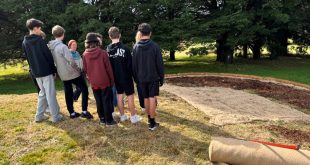
There is a little bit of magic happening on Wednesdays at the Planetary Health Centre as young volunteers from Kindlehill School, and Council staff, work together to create a demonstration site for the wider community. This hands-on program is inspiring all involved, including teacher Sarah Daniel.