Australia is getting hotter. Climate change is driving more frequent and prolonged extreme heatwaves and our homes are struggling to keep up. Alarmingly, many Australian houses – especially older ones – weren’t designed for these harsh conditions.
During a heatwave, large parts of the country’s interior can soar above 40°C. That’s not only uncomfortable but also dangerous, as extreme heat puts residents at serious health risk.
Heatwaves have caused more deaths in Australia than any natural disaster combined.
That’s where smart materials come in. They can significantly change some of their properties in a controlled manner in response to external stimuli, such as temperature. And they are being incorporated into materials such as bricks and roof cladding to make homes more resistant to heat fluctuations.
Air-conditioning can’t save us
The default fix? Turn on the air conditioner. But cooling our homes with machines comes at a cost. Our growing reliance on air conditioning creates a dangerous feedback loop: more heat leads to more energy use, which ultimately drives up carbon dioxide emissions if no solar power is available.
You might be surprised to learn that buildings are responsible for around 40% of global energy use and nearly one-third of carbon dioxide emissions. In Australia, up to 50% of household energy is consumed for heating and cooling depending on the climate zone – and demand peaks during heatwaves.
To reach net-zero emissions by 2050, we need more than just efficient appliances and rooftop solar. We need to rethink how homes interact with heat – and that’s where smart materials can make a real difference. Instead of simply blasting air-conditioning, we can build homes that actively respond to their environment.
An office building covered in air conditioners in Brazil. Image: Bran Sodre/Pexels
Homes that regulate themselves?
Imagine a material that passively absorbs excess heat during the day and releases it back into the home when temperatures drop at night, with no switches, no electricity and no noise. That’s the magic of phase change materials, a type of smart material. They are made from materials such as waxes, salts, fatty acids and plant-based oils, and come in the form of thin panels, microcapsules, and liquid-filled pouches.
These materials absorb heat as they melt and release it again when they solidify, acting like a thermal battery embedded in your roof tiles or walls. A thermal battery stores energy in the form of heat instead of electricity. This means your home can “charge” with heat when it’s warm and “discharge” that heat when it’s cool.
In summer, phase change materials absorb indoor heat during the day, which keeps living spaces cooler. At night, as outdoor temperatures drop, they release that stored heat. In winter, it’s the opposite.
Phase change materials can offer even greater thermal mass than traditional materials like brick, stone or concrete. And studies show they can reduce average building energy use by around 37% across various Australian cities.
But they do have a limitation under extreme or prolonged heat. If overnight temperatures remain high – as often happens during multi-day heatwaves – the material may not cool down enough to solidify. Once fully melted, it can no longer absorb heat, making it temporarily ineffective.
Reflective coatings
Like slipping on sunglasses on a sunny day, reflective coatings shield homes from the sun’s harsh rays. When applied to rooftops, they can lower indoor temperatures by up to 4°C. This means less reliance on air conditioning and lower energy bills – a simple, cost-effective way to beat the heat.
But there’s a catch: what works brilliantly in summer can backfire in winter. These reflective surfaces also bounce away the warmth you want during colder months. And instead of absorbing heat, your home gets chillier.
To build homes for a warming world, we need solutions for all seasons – smart materials that respond to their environment by blocking heat when it’s hot, and absorbing it when it’s cold.
The future is adaptive
Our homes need layered strategies. Imagine a roof that not only reflects intense summer heat but also works with phase change materials to absorb and regulate indoor temperatures year round.
In a recent study, led by this article’s lead author, Md Jaynul Abden, reflective roof coatings combined with phase change materials embedded in roof tiles and gypsum board were found to significantly improve home performance during simulated Australian heatwaves.
The results were striking: indoor temperatures dropped by 7.9–9.7 °C across cities, and energy savings reached up to 80.6%. Most importantly, indoor environments remained significantly more comfortable. This is a critical benefit during heatwaves, especially for vulnerable communities without air-conditioning.
By carefully balancing the reflection and absorption of materials, we can ensure they perform optimally. These solutions aren’t mainstream yet, but as heatwaves intensify and the demand for energy efficiency grows, adaptive roofing systems are likely to become common in new builds and retrofits within the next decade.
Plate to Planet: Blue Mountains Food Security Fair is just days away - happening this Saturday at the Planetary Health Centre in Katoomba.
We are excited to be joined by local, state-wide and national organisations as this weekend`s event. You`ll be able to learn from and interact with our vendors, as well as taste and purchase locally made goods.
Entry to the Fair and Markets is free but please do register in advance via the website: https://events.humanitix.com/blue-mountains-2026-food-security-fair
2026 Stallholders and Vendors: - Alchemy Farms - BMCC Bushcare team - BMCC Waste Team - Chey`s Flowers - Cool Seats / Sustainable House - Diego Bonetto - Eats Really Yummy - Fidelity Coffee - Fifi`s Bees - Good Fat Pastry - Kokomo Island Cafe - Permaculture Hawkesbury Valley - Permaculture Matters - Plant Inspired and Associates - Theory Produce - Waste Free Produce - Wildplant Rescue - WIRES - You Are The Plant...
We are just one week away from Plate to Planet: Blue Mountains Food Security Fair, taking place next Saturday, 10th October, at the Planetary Health Centre.
Whether you are interested in understanding the global food system, at-home food security, community resilience or local produce, we have talks, workshops, activities and stallholders for all.
View the full program and register your place via the website: https://events.humanitix.com/blue-mountains-2026-food-security-fair
We have limited spots remaining so don`t miss out!...
We are counting down the days to Plate to Planet: Blue Mountains Food Security Fair. Join us, and key speakers, educators and organisations at the Planetary Health Centre in Katoomba to explore one of the most important challenges of our time: how we grow, share and sustain food in a way that supports the health of ourselves, our communities and our planet. View the full program and reserve your space via this link: https://events.humanitix.com/blue-mountains-2026-food-security-fair...
Thank you to our food vendors catering Plate to Planet: Blue Mountains Food Security Fair 2026! 🌱
🍚 @eatsreallyyummy Eats Really Yummy is a food truck serving delicious Taiwanese-inspired fusion cuisine, bringing bold flavours and creative dishes to the Blue Mountains. Join them at Plate to Planet for a taste of their delicious street-food-style offerings while celebrating the diversity, creativity and community of our local food scene.
🌴 @kokomoislandcafe Based in Wentworth Falls, Kokomo Island Café is a female-owned food trailer bringing vibrant Caribbean flavours to the Blue Mountains. For the Blue Mountains Food Security Fair 2026, we’ll be serving a delicious menu of vegetarian snacks and dishes made with locally grown Blue Mountains produce, celebrating the region’s incredible growers. Join us for nourishing food, bold flavours, and a day dedicated to community, sustainability, and the remarkable food being grown in our region.
☕ @fidelity.coffee Fidelity curates a rotating selection of exceptional coffees from leading Australian and international roasters. From rare single-origins to innovative processing methods, every coffee is chosen for its unique character and outstanding quality.
🥐 @goodfatpastry Good Fat Pastry creates scrumptious plant based pastries for your enjoyment and donates proceeds to people in need. Do yourself good by eating tasty things. Do others good by supporting their needs.
To view the full program and register your place, visit the event website: https://events.humanitix.com/blue-mountains-2026-food-security-fair...
We’re excited to launch the 2026 program and website for PREPARE: Disaster Risk Awareness Expo, hosted by Blue Mountains Planetary Health.
Key event information: 📆Date: Saturday 7 November 🕙Time: 10am - 4pm 🌏Venue: Blue Mountains Planetary Health Centre, Katoomba 🪙Cost: Entry free, some sessions ticketed. Registration essential.
Visit the website and register your place here: https://events.humanitix.com/host/blue-mountains-planetary-health
Following the success of last year’s event, this year’s Expo will once again bring together the community, emergency services, researchers, local organisations and experts to share practical knowledge and explore how we can better prepare for disasters and build safer, healthier and more resilient communities.
The 2026 program includes a range of interactive workshops, talks and activities, including:
- iFire / UNSW - iFire Immersive Bushfire Simulation - Australian Red Cross - EmergencyRedi workshop - Resilient Blue Mountains - Climate Fresk - Blue Mountains City Council - Hidden hazards before a disaster - WIRES - caring for wildlife during disasters - Blue Mountains City Council - response and recovery after the 2019 / 2020 Black Summer Bushfires
Key emergency services – NSW Rural Fire Service, NSW State Emergency Service and Fire and Rescue will also be on site with vehicles, displays and activities.
Rapid Relief Australia will be providing free food and refreshments throughout the day.
Visit the website and register your place here: https://events.humanitix.com/host/blue-mountains-planetary-health
We’re looking forward to seeing you and your families there!...
Looking for a fun, educational and sustainable day out these school holidays?
Come along to Plate to Planet: Blue Mountains Food Security Fair in Katoomba on Saturday 10 October, with a line-up of free talks, activities and entertainment for all ages!
🌿 The Importance of Bioregions in Uncertain Times Join permaculture pioneer Rowe Morrow to explore how our land, water, food, energy and communities are connected - and how we can build a more resilient Blue Mountains.
🌱 Discover Old Man Saltbush Get up close to this remarkable native plant with Anne Elliot, and discover its potential as part of a more diverse and resilient food system.
🪱 Have a go at worm farming Learn how easy it can be to turn food scraps into valuable nutrients for your garden - with a hands-on worm farm activity from BMCC.
🎶 Enjoy live music Take a break, relax and soak up the atmosphere while enjoying live music by Olivia Dustmann throughout the day.
🎨 Kids` Corner - all day! Rock painting, crafts and story time, with plenty of fruit and veggie-inspired fun for younger visitors.
Explore local stalls, food, gardens, wildlife, sustainability and practical ideas for creating a more resilient food future.
Entry to the Fair and markets is free, with a range of free and paid sessions and workshops available throughout the day. Some sessions have limited capacity, so registration is recommended.
View the full program and register your place here: https://events.humanitix.com/blue-mountains-2026-food-security-fair
📅 Saturday 10 October | 9am–4pm 📍 Blue Mountains Planetary Health Centre, Katoomba...
Join Andris Heks, Yogic Psychotherapist, winner Best Actor, Blue Mountains, for his workshop to laugh as you never laughed before, as part of a movement to globalise people-bonding cheerfulness through kookaburra laughter contagion as an antidote to distressing world divisiveness.
Purchase your ticket here: https://events.humanitix.com/kookaburra-laughter-workshop
View the trailer and the GoFundMe page here: https://www.gofundme.com/f/globalise-unconditional-love-through-kookaburra-laughter
Key event information: - When? 10:15AM - 2:30PM, Sunday 4 October 2026 (1st day of Daylight Saving - 1 hour forward) - Where? Blue Mountains Planetary Health Centre, 33-39 Acacia St, Katoomba, NSW, 2780 - Fee? $60 or what you can afford - Note: please bring your own lunch
What to expect: - Learn how to stay cheerful for good - Learning the funny, human emulated, communal kookaburra laughter and meditation - How communal kookaburra laughter promotes bonding even amongst strangers - The awesome native treasure of the laughing kookaburra phenomenon - Why Kookaburra Yoga is the ‘most excellent of Yogas` - How communal kookaburra laughter contagion boosts the subtle and gross national product - How you could contribute to the kookaburra laughter contagion
This event is supported by Blue Mountains Planetary Health.
Purchase your ticket here: https://events.humanitix.com/kookaburra-laughter-workshop...
Come along to the Planetary Health Centre this Saturday for the next Skill Share Saturdays event!
This weekend`s agenda:
8:30AM - 10AM | Learn how to use your sewing machine class with Sherlie McMillan
8:30AM | Planetary Health Cafe open, serving Good Fat Pastry and Whisk and Pin
9AM - 10AM | Tai Chi and Qigong class with Virginia Field
10AM - 12PM | Learn how to grow WITH the Upper Blue Mountain permaculture workshop with Leni from Alchemy Farms
10AM - 3PM | Fashion Upcycling Workshop with Sherlie McMillan
10:30AM - 12PM | Learn to make focaccia from scratch with Laura Zucchetti (no experience needed)
1:30PM - 4:30PM | Planetary Health Bushcare with Karen Hising
For more information and to purchase a ticket, please visit the website: https://events.humanitix.com/skill-share-saturdays-at-the-planetary-health-centre...
Plate to Planet: Blue Mountains Food Security Fair 2026
📣HEADLINE SPEAKER📣
Our headline speaker is Julian Cribb AM – a renowned Australian science writer, journalist and author who has spent more than 50 years communicating science, agriculture, climate and global sustainability issues. He is the author of several influential books, including The Coming Famine (2010), Food or War (2019) and How to Fix a Broken Planet (2023), which explore the future of food systems, planetary health and humanity`s long-term survival.
He is widely recognised as one of Australia`s leading voices on global food security and sustainable development.
To register for his talk, and view the rest of the program, visit the website: https://events.humanitix.com/blue-mountains-2026-food-security-fair...
At our next Skill Share Saturdays event on Saturday 5th September, join Laura Zucchetti at 10:30am to learn how to make focaccia from scratch!
Come along for a 90 min class where you`ll mix, rest and stretch your own focaccia dough from start to finish, guided every step of the way. You’ll take home your dough to bake on the day in your own oven.
Sign up to this session, and view the other offerings on the day via this link: https://events.humanitix.com/skill-share-saturdays-at-the-planetary-health-centre...
Plate to Planet: Blue Mountains Food Security Fair 2026
We are pleased to announce that the program and registration for Plate to Planet: Blue Mountains Food Security Fair 2026 is now live!
Follow this link to view the program and register your place: https://events.humanitix.com/blue-mountains-2026-food-security-fair
Key information:
When? Saturday 10 October, 9AM - 4PM
Where? Blue Mountains Planetary Health Centre, Katoomba
Who is it for? Families, gardeners, enthusiasts, community groups and businesses, anyone looking to learn about how to be more resilient through local and sustainable food systems.
What to expect? Talks, workshops, demos, market stalls, family activities, music, food
Is there a cost? Entry to the Fair and Markets is free. Talks and workshops are ticketed (both free and paid) and have limited capacity, so please register in advance.
Program highlights:
🌏Headline talk: The age of renewable Food – Julian Cribb AM 🎋Wild edibles foraging workshops – Diego Bonetto, Eat More Weeds 🏞️The importance of bioregions in uncertain times – Rowe Morrow, Permaculture Matters 🥒Home canning and food preservation workshop – Kirsty Berté, Permaculture Hawkesbury Valley 🏡Designing your own Permaculture Property – Leni Nyssen, Alchemy Farms 🍃Utilising what’s in front of you – Uncle Lex, The Ganya Shed 🪱How to worm farm - BMCC 🎸Live music by Olivia Dustmann 🌾Community crop and seed swap
Tickets are limited so please register your place now: https://events.humanitix.com/blue-mountains-2026-food-security-fair
We are also seeking stallholders for the event. If you are a grower, retailer, community organisation or business that would like to get involved, please reach out to [email protected]!...
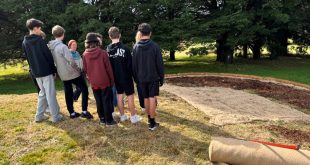
There is a little bit of magic happening on Wednesdays at the Planetary Health Centre as young volunteers from Kindlehill School, and Council staff, work together to create a demonstration site for the wider community. This hands-on program is inspiring all involved, including teacher Sarah Daniel.