Planetary Health NewsStrengthening community and restoring the health of our planet.
From frog saunas to butterfly puddles: 8 ways to turn your homes into a wildlife refuge
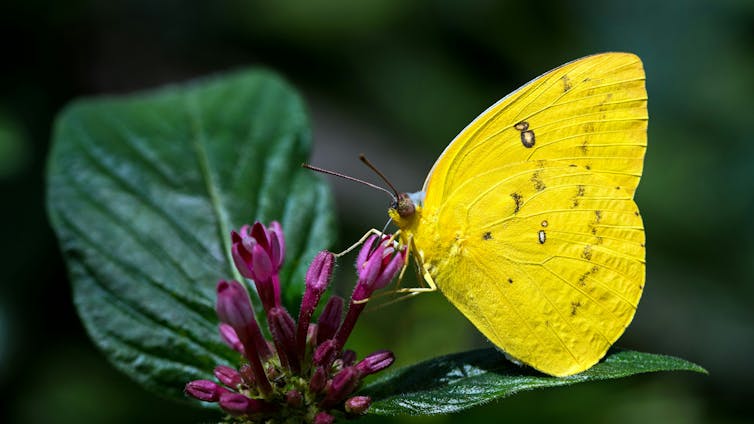
Urban butterflies are declining at alarming rates around the world (Photo: David Clode / Unsplash)
By Bethany Kiss, Mark Jacques and Sarah Bekessy – RMIT University
Native animals can make excellent neighbours. Blue banded bees pollinate our vegetable gardens. Microbats eat up to 1,200 mosquitoes a night and powerful owls keep rodents at bay. But could we go one step further, and change our homes to invite native animals in as housemates?
Cities are biodiversity hotspots and have an important role in tackling the extinction crises for animals, plants and insects. As cities continue to sprawl, our buildings have become increasingly important habitat for wildlife.
Animals are not the only ones to benefit. Evidence shows noticing wildlife at home can lead to better mental health. Co-habitating with wildlife can also help you feel more at home.
But how can we intentionally design our homes to co-inhabit with wildlife? That’s the question explored by When Wildlife Moves In, a new work at the National Gallery of Victoria. The work, created by the authors of this article, uses data from Wildlife Victoria to explore how homes can become shared ecological resources.
Here are eight easy ways to invite wildlife into your home and backyard.
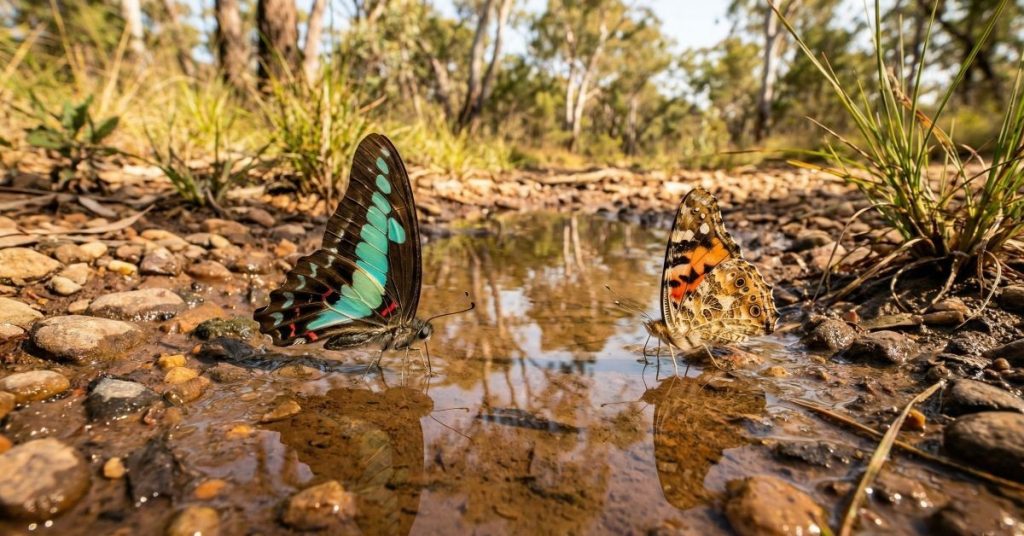
Butterflies, for example, like to sip water from shallow water sources because they tend to get stuck in deeper water.
Solution?Leave an area of gravel beneath your air conditioner vent to create a “puddling” station for butterflies. This will transform what would otherwise go down our drains into habitat for a beloved pollinator.
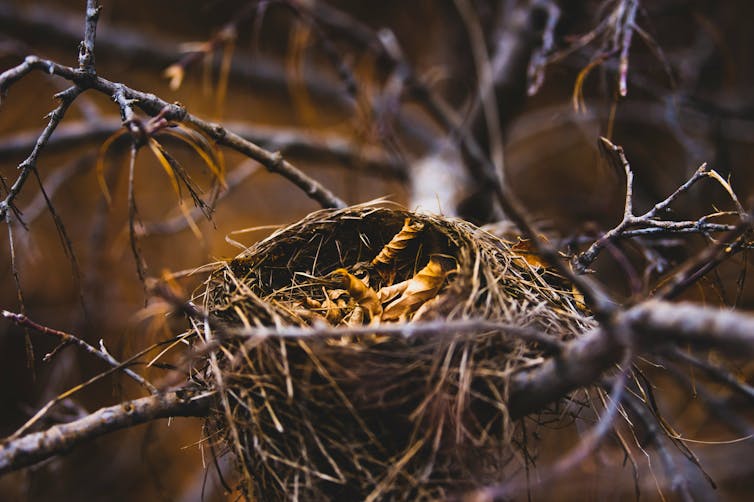
2. Provide city birds with scarce nesting material
Leave natural materials such as twigs in your backyard for bird nests. (Photo credit: Jon Sailer/Unsplash)
Glass doors and windows are a serious threat to birds. (Photo by Laura Lauch / Unsplash)
In the United States alone, as many as a billion birds each year are killed or badly injured flying into glass.
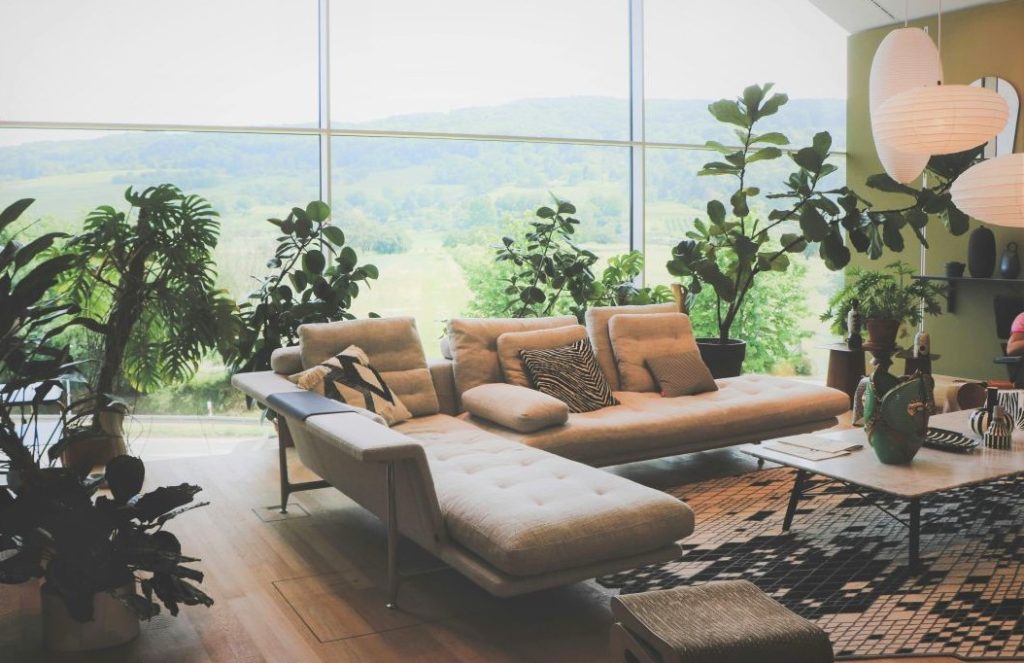
Solution? Move indoor plants out of view through windows and doors so birds don’t mistake them for habitat. Or put anti-collision stickers on your windows, ensuring they are high contrast in colour and spaced no more than 5–10 cm apart.
4. Remove the concrete from your backyard
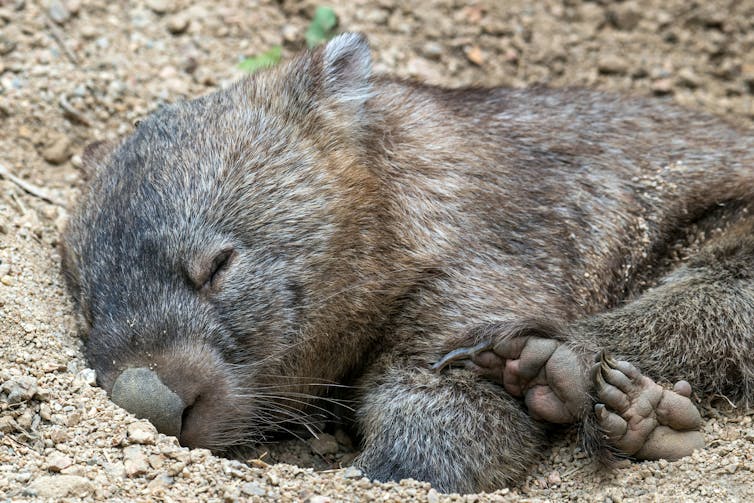
Wombats will make burrows under verandahs and homes. (Photo: David Clode/Unsplash)
Concrete slabs destroy soil microorganisms and prevent animals from digging and tunnelling to create nesting sites.
Wombats are ecosystem engineers. Their burrowing aerates soil, improves water infiltration and cycles organic material and nutrients. But urban development fragments their habitat and concrete foundations seal off natural soil ecosystems. When this happens, wombats adapt by creating alternative burrow systems under houses, decks and other human structures.
Solution? Remove the concrete slabs from your backyard and leave open soil with vegetation or a raised deck in its place.
5. Leave the cavities in your houses unsealed
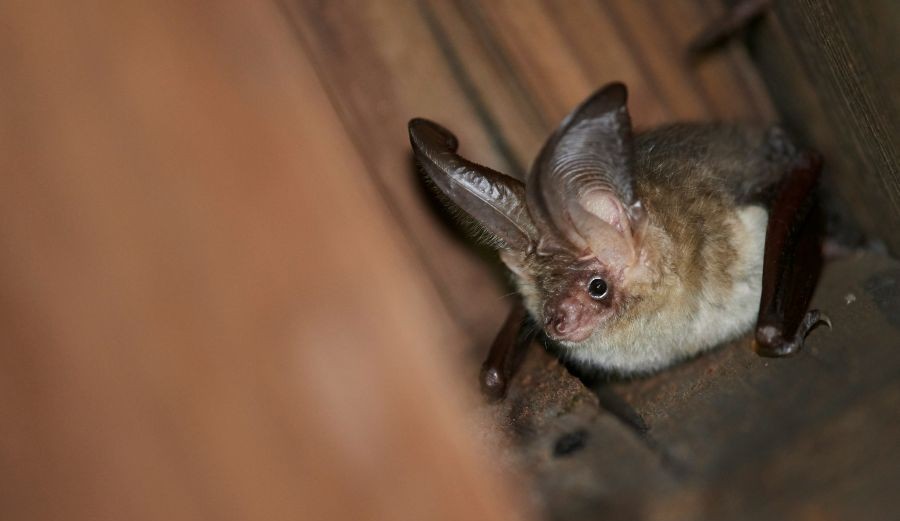
A microbat happily ensconsed in a safe crevice in a roof cavity (Photo: Nils Bouillard / Unsplash)
Natural tree hollows are disappearing at an alarming rate due to urban sprawl and tree removals. It has forced microbats and other hollow-dependent species to seek refuge in dark spaces in our buildings, such as wall cavities, roof voids and building crevices.
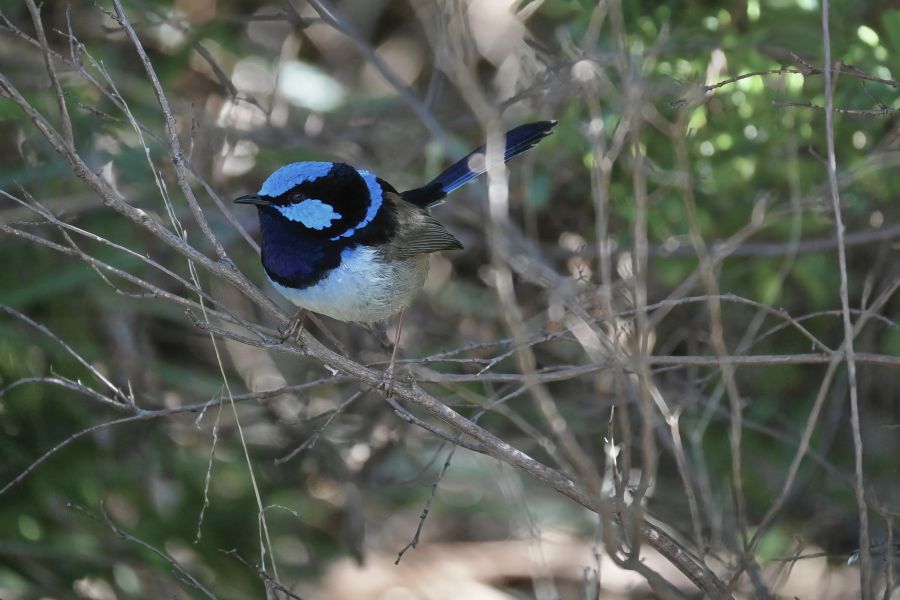
Solution?Plant more shrubs and bushes to create a bushy layer of 2-4 metres. This helps smaller birds such as Superb Fairy-wrens find places to hide. It’s also useful to include habitat elements such as log piles and rocks.
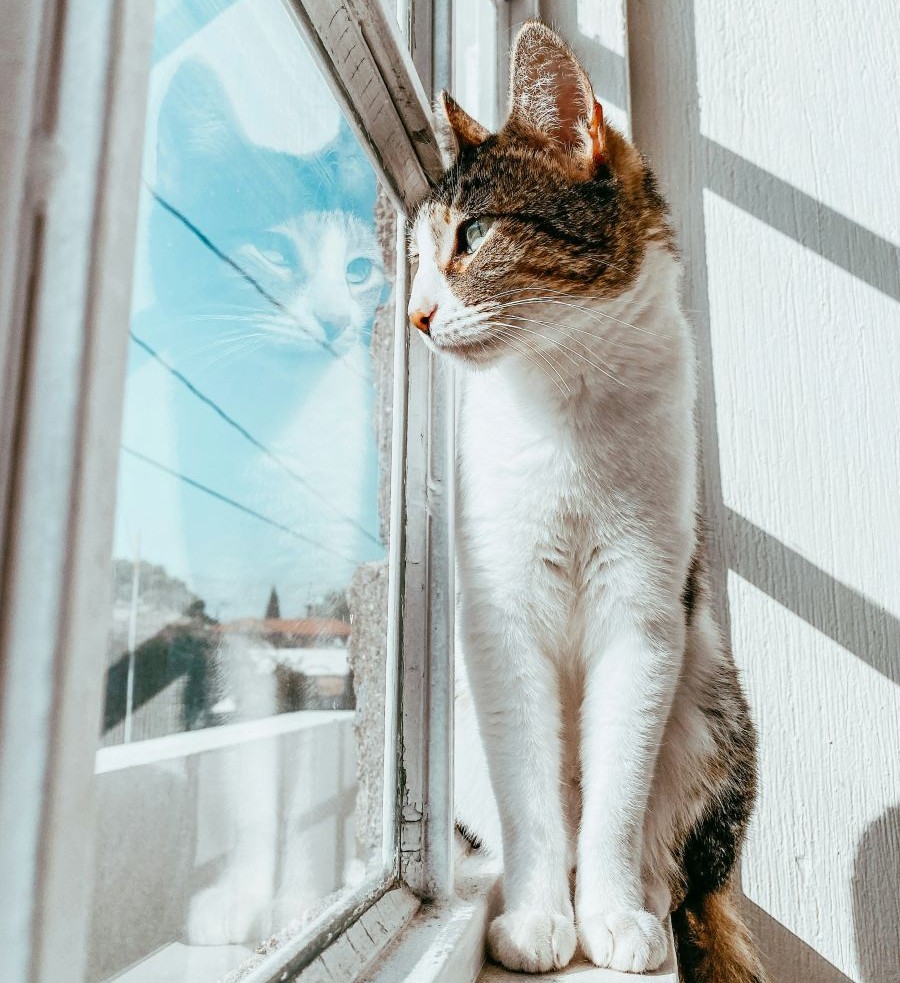
Solution? “Catios”, or cat patios, allow cats to experience nature but keep wildlife safe from predators.
8. Build a frog sauna
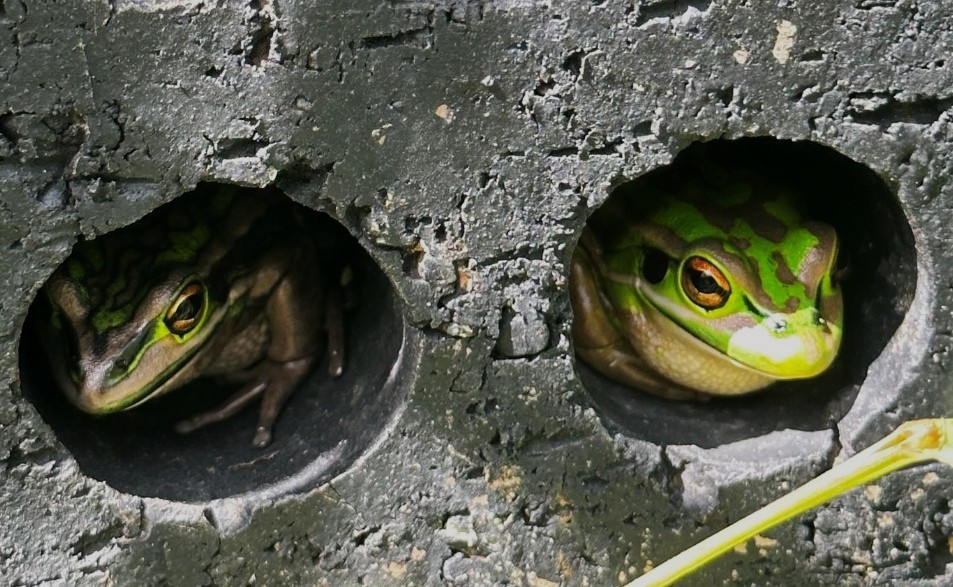
A DIY frog sauna helps frogs avoid the deadly chytrid fungus (Photo: Anthony Waddle)
Some of the best wildlife-friendly ideas are surprisingly simple. Frog saunas, for instance, are small structures with frog-sized holes, made from black bricks or similar materials that heat up in the sun. These structures help fight chytrid fungus, a devastating disease that’s pushing many Australian frog species toward extinction.
Chytrid thrives in cold conditions but dies in heat, making these warm refuges potentially life-saving for local amphibians. Instructions for building your own frog sauna are free, requiring little more than recycled materials and a sunny spot in your garden.
A shared future
Australian cities are important for conserving biodiversity – and our homes can help. Thoughtful, intentional design can better support the species that need our support.
If you want to find ways to co-habitate with native wildlife, click here for more solutions.
When Wildlife Moves In is part of the exhibition Making Good: Redesigning the Everyday, showing at the NGV Ian Potter Gallery. The exhibition explores how designers are reshaping the products and systems that shape our daily lives.
About the authors
Bethany Kiss, PhD Candidate, RMIT University; Mark Jacques, Professor of Architecture, RMIT University. Director, Openwork Pty Ltd., and Sarah Bekessy, Professor in Sustainability and Urban Planning, Leader, Interdisciplinary Conservation Science Research Group (ICON Science), RMIT University
We had a thoroughly enjoyable final Skill Share Saturday for the year yesterday with Qigong, Fashion Upcycling, Seed Saving and Bushcare! We shared seeds from local gardens and harvested carrots, as well as Mizuna, Broad Bean, Daikon and Land Cress seeds from the Planetary Health garden. We then packaged up (and shared) our first Upper Mountains Seed Savers packs for our fledgling Seed Bank. In Bushcare it`s very exciting to see whole new areas of the Planetary Health Precinct open up as we remove invasive weeds. It`s been a year of great progress as we`ve restored habitat for wildlife and given local native plants the opportunity to flourish and re-establish on the site.
Join the Planetary Health Centre this Sat 6 Dec for the last Skill Share Saturday of the year: Qigong at 9am, Seed Saving & Gardening Group at 10am, and Bushcare at 1.30pm. One perfect day with great company, great coffee and food, and great steps for living a healthy balanced life, while also contributing to the health of our planet for present and future generations. All ages welcome!
Registration links in profile and below.
Register for Qigong here: https://bit.ly/48wlHjD Register for Seed Saving & Gardening here: https://bit.ly/4prcRe7 Register for Bushcare here: https://bit.ly/4oAFDrz
We have a rare opportunity to learn about the newest and best possible ways to support family and community members struggling with mental health issues, at a free talk and afternoon tea provided by Upper Blue Mountains Sunrise Rotary at the Planetary Health Centre at 2pm this Saturday 29 Nov. Hear from Peter Joseph AM, Chair of the Black Dog Institute, and Professor Helen Christensen AO, Fellow of the Australian Academy of Science and former Executive Director and Chief Scientist at the Black Dog Institute. They`ll be in conversation with journalist Emma Rossi. Dr Christensen is a pioneer in using the internet to reach young people struggling with depression. Her digital mental health interventions are used by millions globally, delivering evidence-based therapy for depression, anxiety, and suicide prevention. Her research uses data from smartphones and wearables – like movement, screen use, and sleep – to detect early signs of mental health issues. Bookings essential here (link in profile): https://bit.ly/4oOnYxz
This Saturday Sherlie McMillan from Rotarians 4 Planetary Health will be running a workshop on How to use a sewing machine from 9am at the Planetary Health Centre in Katoomba. Learn how to set up a machine, service it, troubleshoot when it`s not sewing correctly, and learn some basic sewing skills.
Bookings essential here (link in profile): https://events.humanitix.com/how-to-use-your-sewing-machine
NB. This class is a prerequisite for our very popular Fashion Upcycling classes held once a month.
We`re thrilled to announce that Professor Helen Christensen, a pioneer in using the internet to reach young people struggling with depression, will be joining the conversation with Peter Joseph AM from the Black Dog Institute and journalist Emma Rossi at the Planetary Health Centre at 2pm this Saturday 29 November. Helen was the Executive Director and Chief Scientist for the Black Dog Institute for 10 years and has now been elected a Fellow of the Australian Academy of Science. Her digital mental health interventions are used by millions globally, delivering evidence-based therapy for depression, anxiety, and suicide prevention. Her research uses data from smartphones and wearables – like movement, screen use, and sleep – to detect early signs of mental health issues. This free event is being co-hosted by Upper Blue Mountains Sunrise Rotary and the Blue Mountains Planetary Health Initiative. Afternoon tea will be provided. Bookings essential here (link in profile): https://bit.ly/4oOnYxz
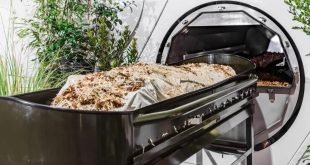
Human composting is increasingly being legalised around the world. Read about it in Katoomba Area Local News here (link in profile): https://www.katoombalocalnews.com/legalising-human-composting/
If you’d like to see this option available in NSW you can now sign a live petition to the NSW Parliament here (link in profile): https://bit.ly/43QIHbz
Thanks to everyone who contributed to deliver a fantastic Disaster Risk Awareness Expo and Family Day yesterday. @mark_greenhill_mayor opened the event at which we celebrated the 13th birthday of Betty the Asbestos Education House; @firecoat_au demonstrated and launched its range of fire retardant products that can help protect homes, gardens and even electricity poles; the Bushfire Retrofit Toolkit was launched; Santa arrived and delighted young and old; and @plantinspired99 and Action for Animals fed us all with a delicious plant-based sausage sizzle. The day was filled with talks, workshops, stalls and the sharing of a huge amount of expertise to keep us, and the other species we share our planet with, safe and healthy! @southkatoomba.rfb @nswses @fireandrescuensw @nswrfs @redcrossleura @redcrossau @shelter.building.design @firehalo.au @asbestosawareness @amelie_ecology @bbagsbluemtns @wireswildliferescue @handsheartfeet
Our marquee is up and we`re excited about our Expo and Family Day tomorrow (Sat 22 Nov). There`s something for everyone from a free sausage sizzle, plants from Santa and drumming and pollinator workshops, to sessions on keeping you and our community safe from extreme weather events and hazardous substances like mould and asbestos. Learn how intumescent paints can slow the spread of fire and pick up a sample pot; check out all our emergency service organisations; learn how to dispose of hazardous materials; paint a native orchid, make some seed balls or sew a boomerang bag to give as plastic-free Christmas presents this year; enjoy coffee and locally made sweets; and get tips on how to retrofit your home safely and beautifully to be prepared for future extreme weather events. View the full program and register here (link in profile): https://bit.ly/4nFrY1J
There are so many new and innovative ways of doing things, like the new cooking techniques being explored by Michael from Good Fat Pastry, and the new fire protection methods being launched at the Planetary Health Centre`s Expo and Family Day on Sat 22 Nov. Check out Michael’s recent presentation at the Food Security Fair in our video here: https://bit.ly/4pnXbIg (link in profile) and come along to taste his delicious carrot cake and pastries at the Expo on Saturday. Check out the program and register to attend here (link in profile): https://bit.ly/4nFrY1J
In 2006 Peter Joseph’s son Michael suicided after a 14-year episodic battle with mental illness. Peter is now the Chair of the Black Dog Institute which is working to achieve better outcomes for all those struggling with mental health issues. Journalist Emma Rossi will engage Peter in an intimate and moving conversation about a life of purpose and mental health advocacy. As a Rotary scholar Peter will also reflect on how Rotary helped shape his values and sense of purpose as a young man - and how those early lessons continue to guide his work today. This free event is being hosted by the Upper Blue Mountains Sunrise Rotary Club and the Blue Mountains Planetary Health Initiative on Saturday 29 November from 2-4pm at the Planetary Health Centre at 33-39 Acacia St Katoomba. Afternoon tea will be provided. Bookings essential here (link in profile): https://bit.ly/4oOnYxz
Learn about intumescent fire retardant paint and a range of other strategies to prepare for extreme weather events, and to manage hazardous materials, at the upcoming Expo and Family Day at the Planetary Health Centre on Sat 22 Nov. You can register to attend here (link in profile): https://bit.ly/4nFrY1J We checked out how intumescent paint works in this video.
When temperatures reach a certain point the intumescent paint begins to swell and expand, often up to 50 times its original thickness. It forms a thick, carbonaceous "char" that acts as an insulating barrier. This layer slows the rate at which heat reaches the structural elements and buys valuable time for people to safely exit a building during a fire. It makes the structure safer for firefighters and rescue teams. #intumescentpaint #fireretardant #bushfire @firecoat_au...
Mould, lead paint, asbestos, silica dust from engineered stone bench tops and a wide range of chemicals, are amongst some of the many hazardous substances entering our environment and negatively impacting our health. Asbestos is found in over 3000 products including textured paints, moulded garden pots, brake pads and clutch linings in older cars, floor and ceiling tiles, lino, fibro, roofing, pipes and gutters, hot water systems, backing for switchboards and insulation boards in air-conditioning ducts, insulation, sealants, fillers, caulking and adhesives, gaskets for industrial and lab equipment and more. We’ll have information to take away and Blue Mountains City Council and the Asbestos and Hazardous Materials Consultants Association (AHCA) will be running free workshops on how to identify and manage these hazardous substances at the Planetary Health Centre`s Disaster Risk Awareness Expo in Katoomba on Sat 22 Nov. Find out more and register to attend here (link in profile): https://bit.ly/4nFrY1J
As global food insecurity increases, research suggests that the ‘planetary health diet’ is one solution. This calls for a shift towards a plant-based diet and more local food production. Local social enterprise Farm it Forward is showing how this can be done in school yards and one backyard after another.